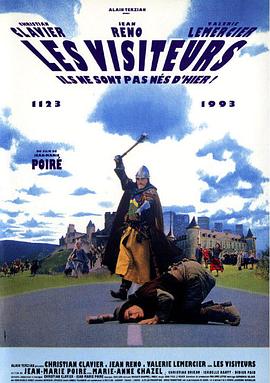
故事发生在十二世纪的法国,一种神奇且危险的时光穿梭魔力药水令戈德弗鲁瓦骑士(让·雷诺 Jean Reno 饰)和其仆人拉弗里普伊(克里斯汀·克拉维尔 Christian Clavier 饰)一同穿越到了二十一世纪的美国芝加哥。翻天覆地的变化和车水马龙的大街让这两个“老古董”既好奇又恐惧,就在此时,一位名为茱莉亚(瓦莱丽·勒梅西埃 Pierre Aussedat 饰)的美丽女子出现在了两人的面前。巧合的是,这位茱莉亚不是别人,竟然就是戈德弗鲁瓦骑士的后代。
很快,戈德弗鲁瓦骑士和拉弗里普伊便明白了他们的处境,与此同时,一个严重的问题浮出了水面——如果他们无法返回属于自己的时代,那也就意味着,他们的后代,也就是茱莉亚也将不复存在。十万火急之下,戈德弗鲁瓦骑士一行人开始寻找起了回到过去的方法。
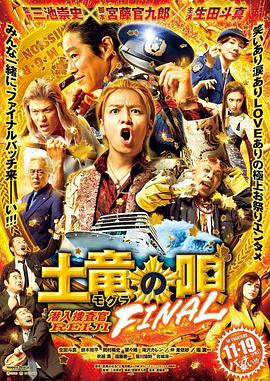
Nipple-targeting seagulls. Old men rapping in a bathhouse. Drugs smuggled as Italian pasta. Welcome back to The Mole Song’s world. The third and final part of this series of manga adaptations, by IFFR regular Miike Takashi, is once again loaded with delicious madness.
Following Undercover Agent Reiji (IFFR 2014) and Hong Kong Capriccio (IFFR 2017), this time the enemy are Italian mafia smuggling their ‘speed-a-roni’ into Yokohama’s port. Yakuza boss Papilon, fearing for his business, wants to stop them from entering, and so do the Japanese cops: Reiji works for both as an undercover agent. All these complications this give cult director Miike a playground for crazed subplots.
At times fooling us into thinking it’s an ordinary action thriller, The Mole Song: Final is a cocktail that smashes together slapstick comedy, farcical fantasy and puppet animation, with Reiji – played again by the energetic and engaging Ikuta Toma - always at the centre of the tornado that just keeps on spinning.
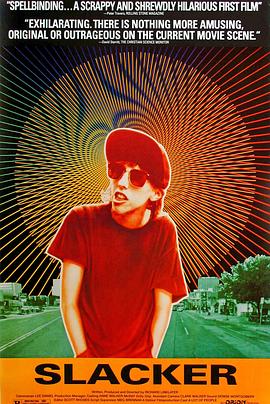
影片开始是一个年轻人(理查德·林克莱特 Richard Linklater 饰)在的士上向司机叙述他的一个古怪的梦,还有他搭上这辆的士的可能性,然而司机毫不在意。年轻人下了车,目睹一个女人出了车祸躺在地上,他拿走了女人的手提包。女人是被她的儿子撞死的,两个警察把儿子从家里带走。街头有人在弹奏吉他唱着歌,餐厅里三个男人在讨论陀思妥耶夫斯基和伟大的作品。一个男人的朋友失踪了,一个陌生人告诉他关于美国登月的秘密还有一些人失踪的真正原因。一个年轻人从他悄无声息地搬走了,他的室友们在他的房间里找到了许多明信片,上面贴着的是从各本书上撕下来的话语。两个女人在街上说话,预言下一个从她们身边经过的人将在两周内死去.....这是一部没有具体情节和具体主角的电影。
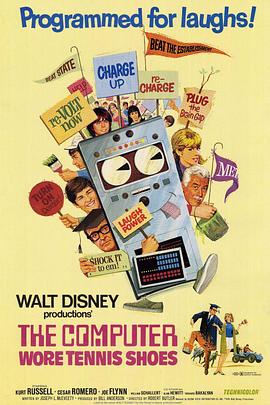
【电脑神童】的故事叙述有一位大学一年级学生 Dexter Riley ,他在一次拆开主机修学校电脑的时候却不慎触电,电流流入他的脑中,因此让他的脑意外成为一部电脑!从此他能快速思考难题,变成一位百问不倒的万事通,但是,学校电脑里的所有资料都存入他的脑海里了,包括每次考试的考题和标准答案,这一点让校方大为震惊,更不堪设想的,原本秘密存在电脑的一些丑闻资料也都被 Dexter 得知,包括一位奸商 A. J. Arno 的不法作为,因此各路人马都想让秘密永远还是秘密,所以就千方百计想要把 Dexter 这部活电脑用各种方法给「format」掉…
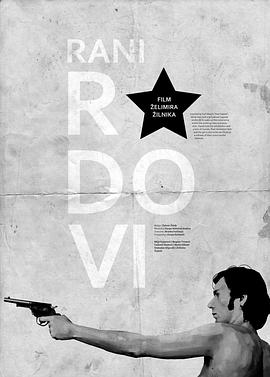
This film took the top honor at the 1969 Berlin Film Festival. After a series of documentaries, this marks the directorial debut for Zelimir Zilnik. It takes a decidedly anti-Stalinist view in the wake of the 1968 Russian invasion of Czechoslovakia and raises important political questions. He states that although the world has experienced untold wars, there have only been a handful of revolutions with any lasting significance that lead to political change.